50%
Electric Share
Power unit output split target
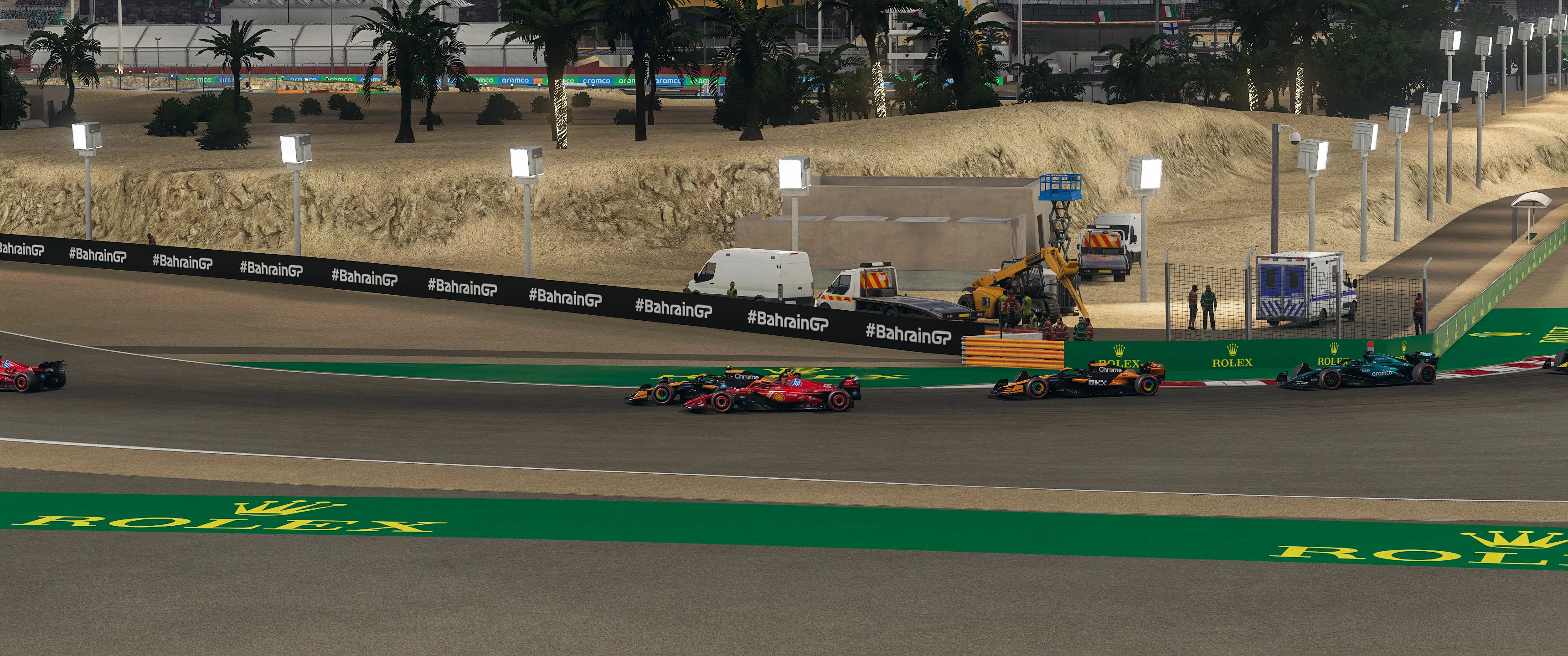
Future Outlook • 2026 Regulation Shift
Cleaner power, smarter aero, lighter cars, and an expanded grid are set to redefine how Formula 1 teams build speed.
The 2026 season marks the most significant regulation overhaul in F1 history, reshaping power units, aerodynamics, and the competitive landscape.
2026 regulation metrics
50%
Electric Share
Power unit output split target
100%
Sustainable Fuel
Drop-in fuel mandate
11
Teams on Grid
Cadillac joins the field
30kg
Weight Reduction
Smaller, nimbler 2026 cars
Data and analytics are reshaping F1—teams use telemetry and modeling to optimize performance and strategy, and AI/ML will accelerate insights. Engineers must master data skills and teams must invest in tools to stay competitive and drive broader innovation.
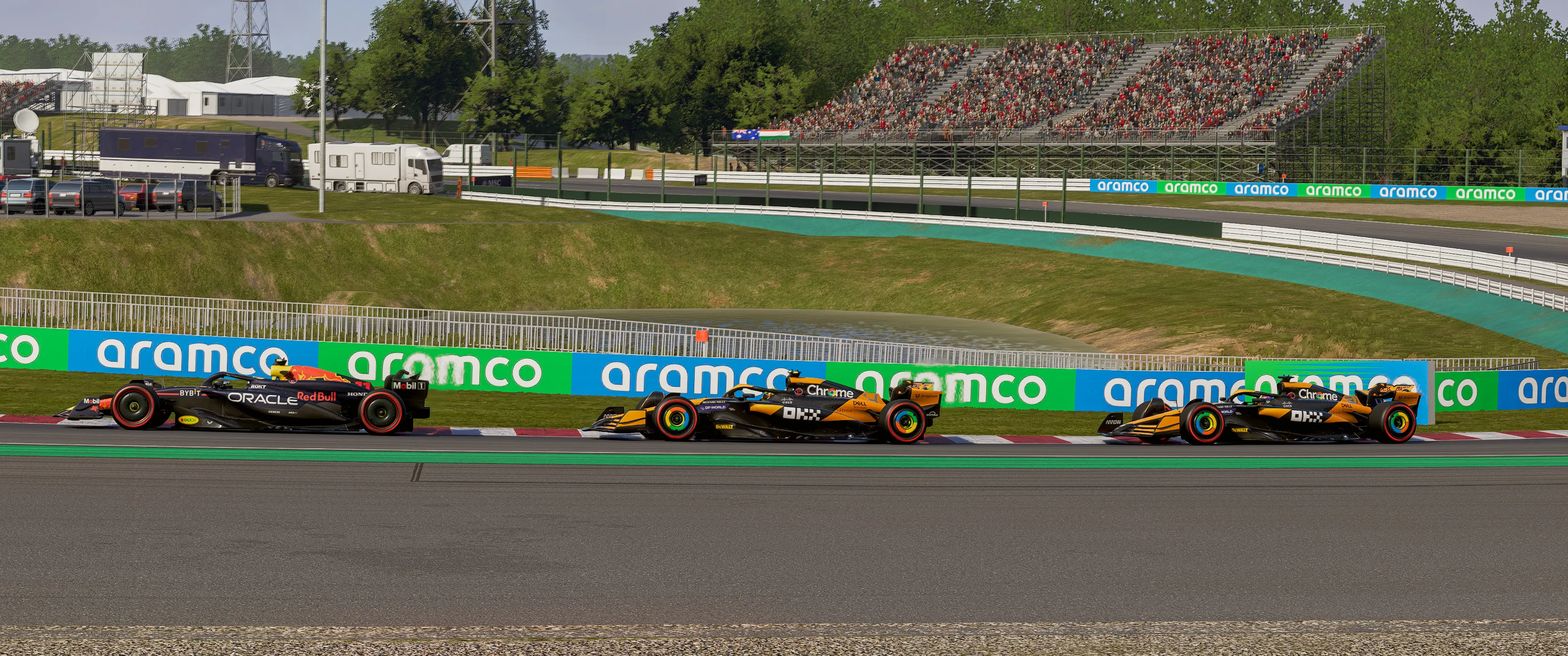
The future of the sport will be shaped by a more diverse and inclusive culture—initiatives like We Race As One are promoting representation on and off the track, bringing fresh perspectives to engineering and car design, attracting new talent, and helping forge a more sustainable and innovative future for Formula 1.
One of the emerging topics in the future of Formula 1 is sustainability: as a sport that relies heavily on technology and resources, F1 has been criticized for its environmental impact, but in recent years there has been a shift toward sustainability—teams and the series have set ambitious carbon-reduction targets and are investing in greener practices like renewable energy and waste reduction, while also exploring alternative fuels such as biofuels and hydrogen to lower the sport's carbon footprint, helping ensure F1 remains relevant and responsible to fans and stakeholders alike.
These established drivers and rising talents are shaping the future of Formula 1. Here's who to watch in 2026 and beyond.
#12
Driver Profile
Mercedes prodigy who impressed in Formula 2 with exceptional race craft and maturity beyond his years.
KA

#87
Driver Profile
Ferrari academy graduate who earned his Haas seat after a stunning F1 debut filling in at Saudi Arabia.
OB

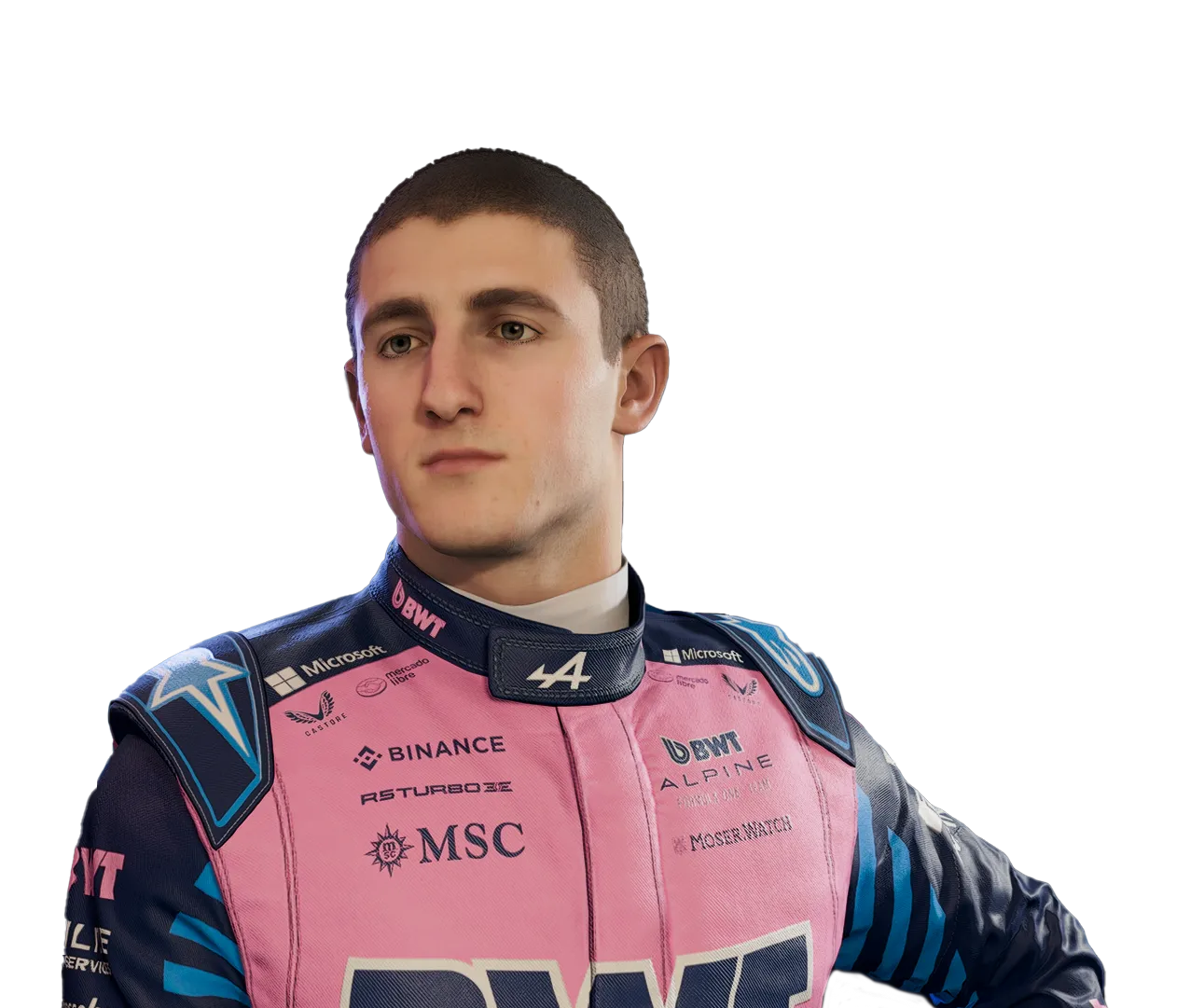
#6
Driver Profile
Red Bull junior who fought for the F2 title, known for aggressive overtakes and cool-headed consistency.
IH
#5
Driver Profile
McLaren-backed F2 champion joining Audi, celebrated for his strategic intelligence and raw speed.
GB

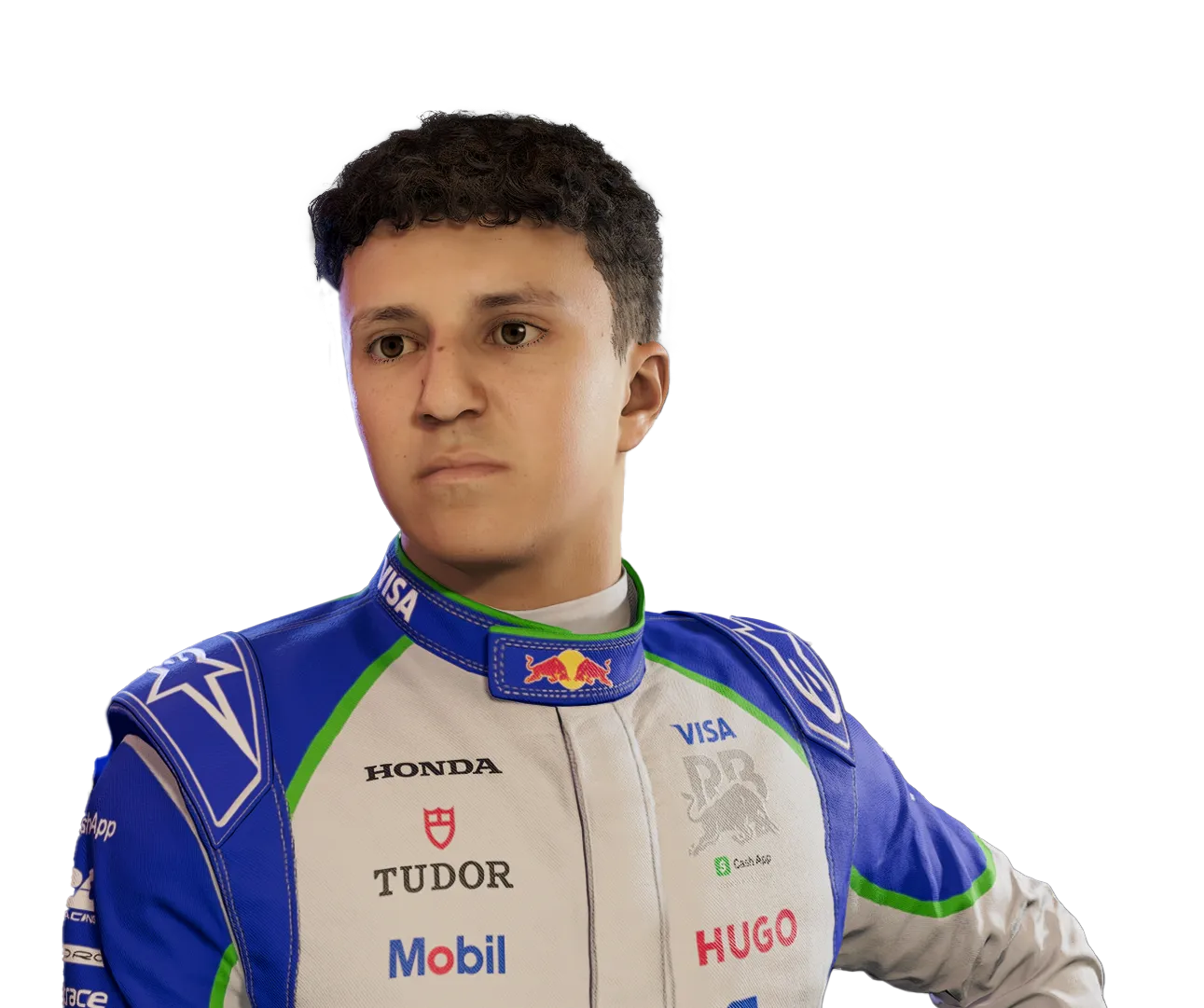
#40
Driver Profile
New Zealander who seized his chance as Red Bull's super-sub, delivering points on multiple occasions.
LL

#85
Driver Profile
Red Bull junior who completed his first F2 campaign with speed and consistency, now stepping up as Lawson's teammate.
AL